
Women in Tech Conferences in Europe: How to Choose One That Is Actually Worth Attending
A good conference can compress months of networking into two days. A bad one leaves you with a tote bag. Here is how to tell the difference in advance.
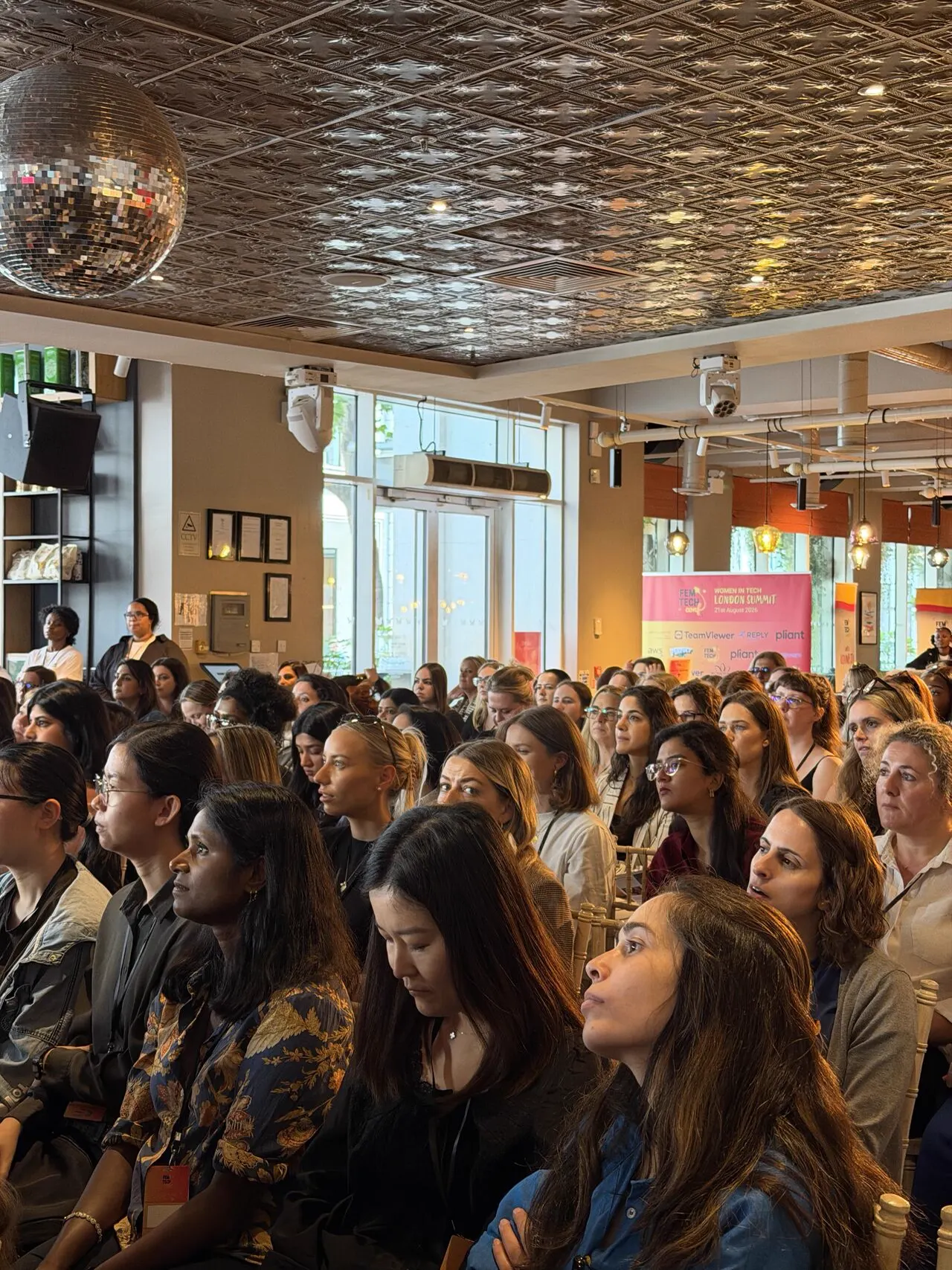
Europe has no shortage of technology conferences. The more difficult question is whether attending one will actually be useful.
A good conference can compress months of professional networking and learning into a couple of days. A bad one can leave you carrying a tote bag full of branded merchandise and wondering why you paid to listen to presentations you could have watched online.
Look at the audience, not only the speaker list
Big names help sell tickets. The people sitting beside you can matter just as much. Before choosing a conference, ask who actually attends: engineers, founders, product leaders, executives, recruiters, students or investors? A conference designed primarily for senior leaders will feel very different from a graduate careers fair.
Check whether the programme has substance
Good conference titles tell you what you are likely to learn. Generic sessions about “empowerment”, “innovation” or “the future” may be entertaining, but the programme should also include specific problems and experiences.
The 2026 Women in Tech EMEA Summit programme in Berlin includes sessions spanning AI-native careers, fintech engineering, organisational change, personal branding and leadership. The exact topics will not appeal equally to everyone. That is the point. Specificity gives attendees enough information to make a decision.
Decide whether you want breadth or depth
Large conferences provide variety. Smaller events usually make it easier to meet people repeatedly. If you are exploring the industry, a broad programme across AI, engineering, product and leadership may be useful. If you need deep technical education in a narrow subject, a specialist developer conference may offer greater value.
Calculate the networking density
Networking value is not the same as attendance size. A 10,000-person conference can be lonely. A 300-person event can produce ten useful conversations before lunch.
Look at the structure. Are there long enough breaks? Is there an exhibition area? Are there social events? Do people remain onsite? Does the audience come from companies you want to understand? Are hiring teams participating?
Look for access to people outside your usual network
One of the strongest reasons to attend an industry conference is network expansion. Events become more valuable when they deliberately mix engineers, founders, product leaders, executives, investors and people teams rather than leaving each professional group inside its usual bubble.
Consider the career layer
If career development matters, investigate whether employers are genuinely present. Are companies simply placing logos on a website, or will their teams attend? Are jobs available? Can you learn about the company's technology? Does the organiser maintain a careers platform, like the FemTechConf® Expo and job board?
For Berlin in 2026
FemTechConf®'s Women in Tech EMEA Summit takes place in Berlin on 29 and 30 October 2026. The summit expects approximately 1,200 attendees across two days and brings together professionals from engineering, AI, product, data, leadership and the wider technology ecosystem.
The best approach is straightforward: review the agenda, look through the speakers, identify the companies and people you would like to meet, and arrive with three or four specific objectives. Conferences become much more valuable when you know what you want from the room. For local context, read our pieces on women in tech in Berlin and women in tech in London.
Sources
About the author
Penna Koskinen
Program Manager, FemTechConf®
Penna Koskinen is part of the FemTechConf® programme team, helping shape conference programming and community experiences across the organisation's Women in Tech events. Her editorial focus includes conferences, employer engagement, professional networks and how companies can build more useful relationships with women in technology.