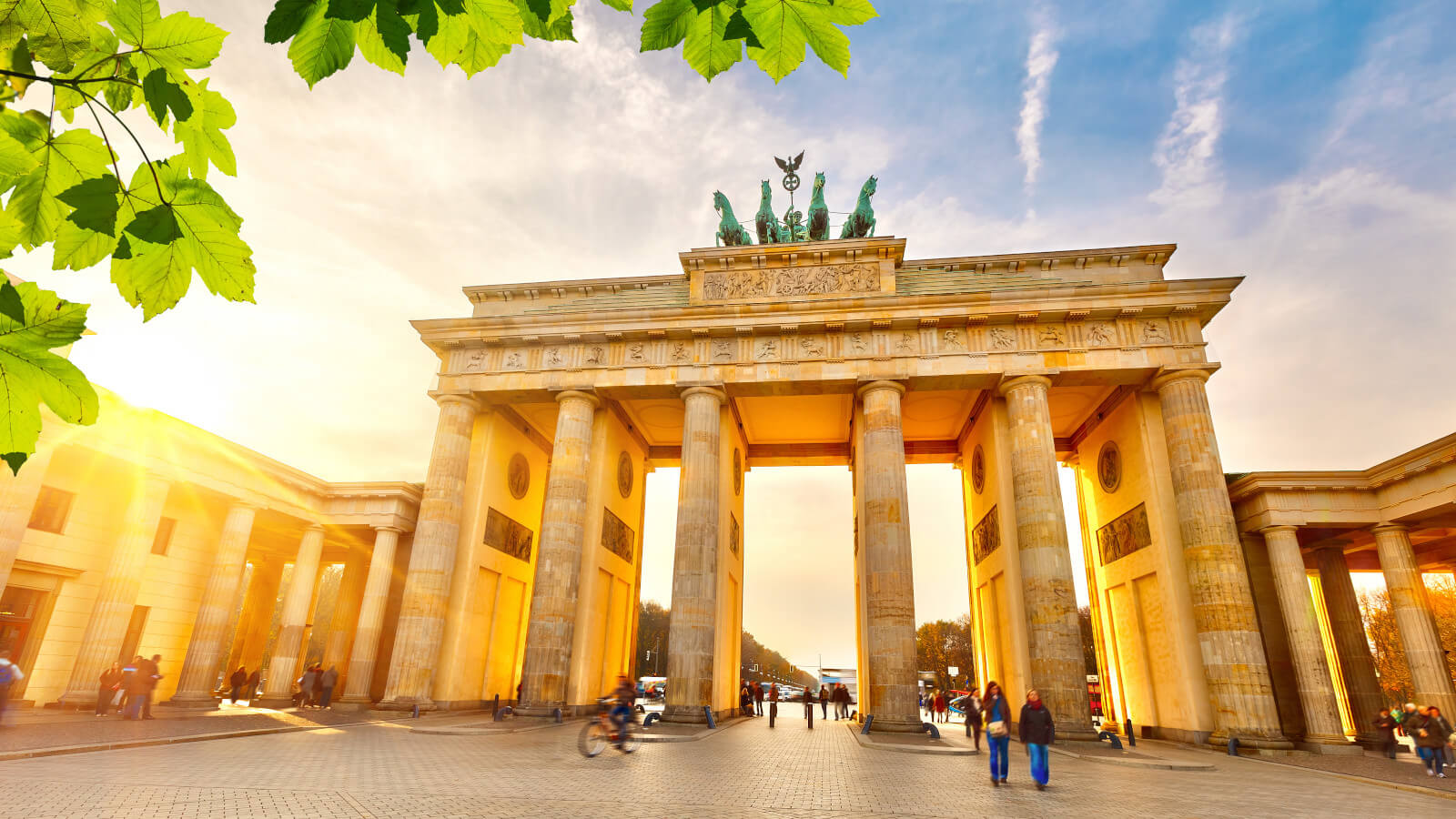
Women in Tech Berlin 2026: Why Germany's Capital Still Matters for Technology Careers
Berlin is no longer Europe's inexpensive startup experiment. It has matured - and it remains an unusually dense meeting point for international technology talent.
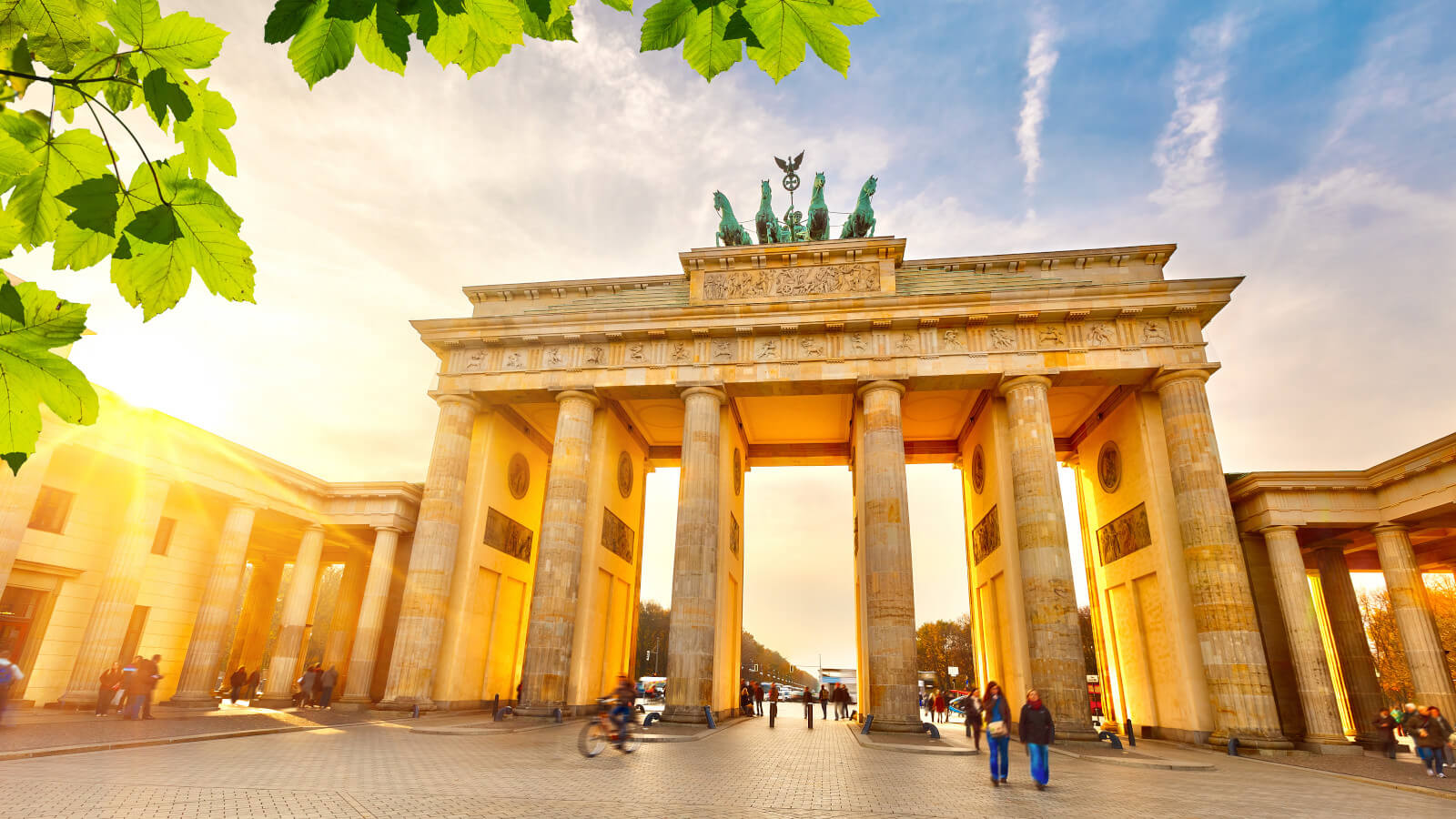
Berlin is no longer Europe's inexpensive startup experiment. The city has matured. Some companies have disappeared. Others have become major employers. The funding environment has become more demanding. Artificial intelligence is rewriting product roadmaps and hiring requirements.
Yet Berlin remains unusual for one reason: few European cities bring together quite as many international engineers, founders, product leaders, investors and technology companies in one place. Analysis of Berlin's startup density and its weaker record on scaling captures both sides of that position.
Berlin sits inside a much larger German technology economy
It is easy to equate Germany's technology industry with Berlin startups. That misses much of the picture. Reporting on Germany's wider technology hub points toward a distributed ecosystem spanning Berlin, Munich, Dresden, Stuttgart, Frankfurt and other centres, with particular strengths in industrial software, semiconductors, automation and deep technology. Our national view of women in tech in Germany covers jobs, pay and skills across that ecosystem.
Berlin's role is different. It is particularly strong as a meeting point for international talent, software companies, fintech, digital platforms, venture-backed businesses and technology operations belonging to global companies.
The market is more selective than it was
Nobody should pretend 2026 is 2021. Germany's Federal Employment Agency recorded a significant reduction in ICT vacancies through the recent economic slowdown. At the same time, it argues that digitalisation, automation and AI continue to raise longer-term demand for new capabilities.
Companies can afford to be more selective. Candidates therefore benefit from stronger networks, clearer specialisation and evidence that they can work with the technologies companies are adopting now.
AI is becoming part of ordinary technology work
Germany's technology industry is moving beyond experimental AI projects. AI is increasingly integrated into enterprise software, engineering, customer products and internal workflows.
The valuable skill is often not “AI” in isolation. It is AI combined with an existing professional discipline, which is the argument behind our guide to AI skills for women in tech.
Women remain underrepresented in Germany's digital workforce
Germany has the largest absolute population of female ICT specialists in the EU, with around 436,800 recorded in 2025. Yet women remain a minority of the technical workforce, and Germany continues to record structural gaps in earnings and working patterns.
Where the community comes together
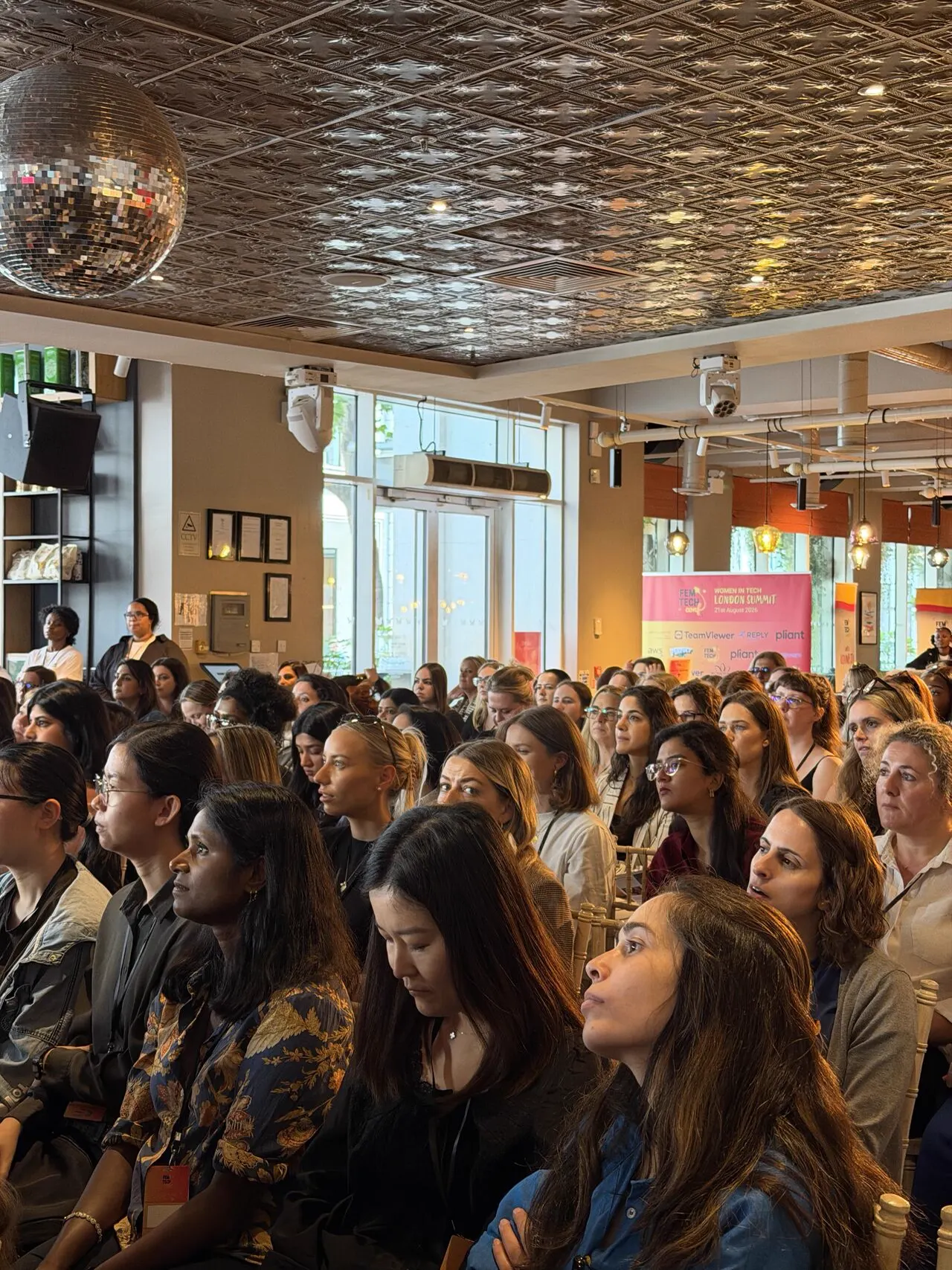
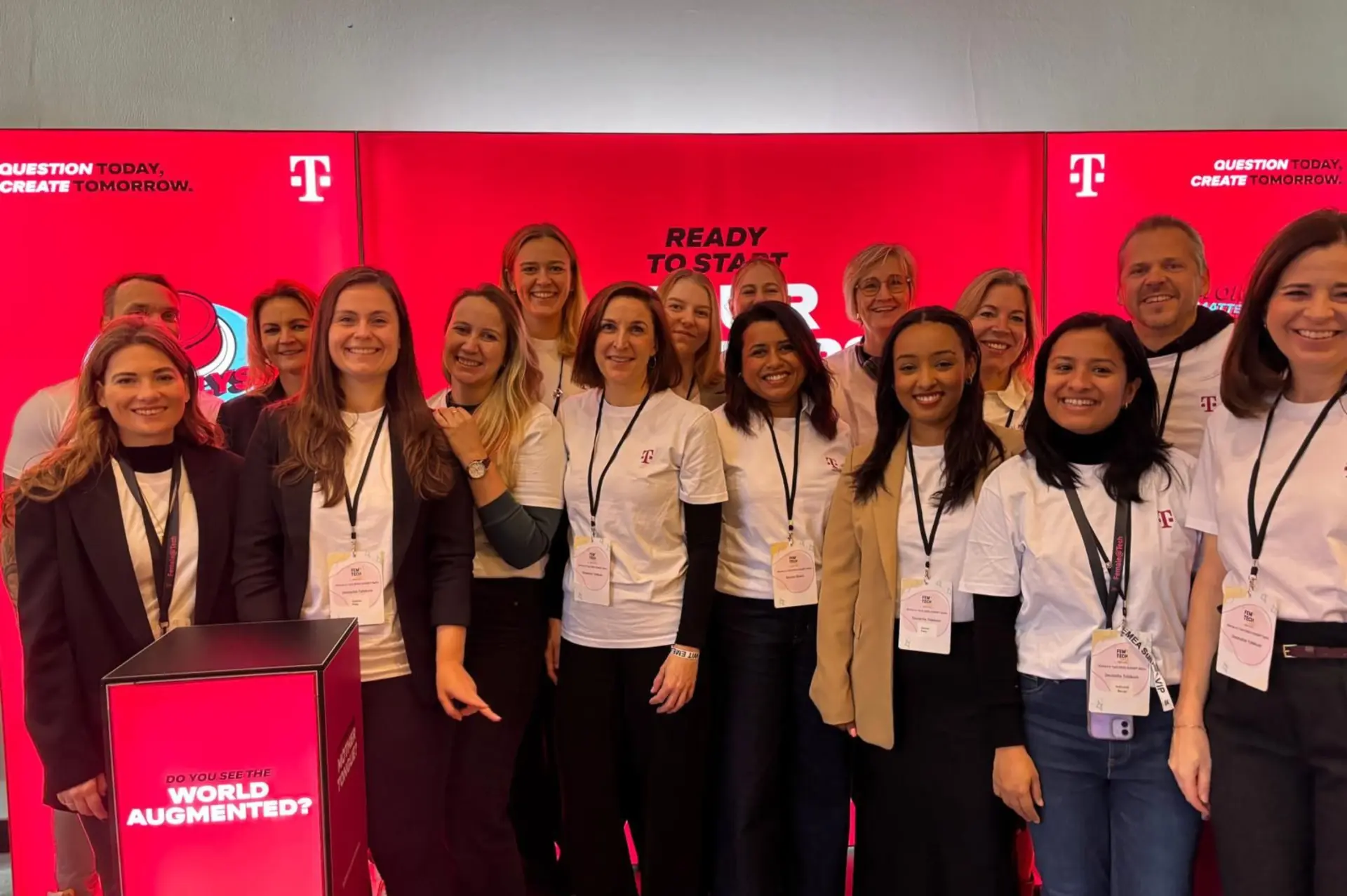
On 29 and 30 October 2026, FemTechConf®'s Women in Tech EMEA Summit returns to Berlin. The two-day conference is expected to bring together around 1,200 attendees from engineering, AI, product, data, leadership and business. You can review the full summit agenda and the 2026 speaker line-up before deciding whether it fits your objectives.
For somebody building a technology career in Berlin, events like this serve a practical function. They make a large city smaller. Instead of trying to reach one company or professional at a time, hundreds of overlapping networks are temporarily brought into the same room. In a more selective job market, those relationships can matter as much as another application submitted through a careers portal. If you are weighing up options, our guide to choosing a Women in Tech conference in Europe may help.
Sources
- German Business Review, Is Germany Becoming a Stronger Technology Hub? The Evidence Is More Industrial Than Consumer
- German Business Review, Berlin's Startup Advantage Is Density. Its Weakness Is Scale
- Federal Employment Agency, German ICT labour market 2026
- Eurostat, ICT specialists by sex
- Destatis, Gender Pay Gap
- FemTechConf®, Women in Tech EMEA Summit
About the author
Penna Koskinen
Program Manager, FemTechConf®
Penna Koskinen is part of the FemTechConf® programme team, helping shape conference programming and community experiences across the organisation's Women in Tech events. Her editorial focus includes conferences, employer engagement, professional networks and how companies can build more useful relationships with women in technology.